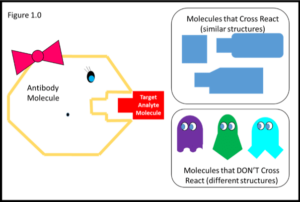
Cross-reactivity in the drug testing world is a critical component when it comes to accurate results. Immunoassay testing is where cross-reactivity comes into play most often. Important factors that affect cross-reactivity are the specimen type, the test performed, reagents used, and concentration of substances in the specimen being tested.
Read MoreBlog
Ways to Address the Challenges of Synthetic Drugs

Synthetic drugs are a tricky and dangerous problem that continues to evolve nationwide. The use of synthetics and designer drugs isn’t new to the U.S. Starting with morphine in the 1800s, to LSD in the 1970s, and ecstasy in the 1980s, a long list of synthetic drugs has gained popularity across the country. In the […]
Read MoreHow to Treat Cannabis Use Disorder

Cannabis is now legal for medical use in 29 states, and for recreational use in nine states and the District of Columbia. Yet cannabis is still considered a Schedule I controlled substance under federal law. So, does that mean it’s safe to use? Is it addictive? Contrary to popular belief, cannabis dependence is similar to other […]
Read MoreAlcohol Consumption, Measurement and Monitoring

Ethanol, the psychoactive ingredient in wine, beer and liquor, is one of the most intensely studied compounds in the history of toxicology. We know a great deal not only about alcohol consumption’s effects on human performance, but also on its disposition in the body. Once consumed, ethanol passes through the stomach into the small intestine, […]
Read MoreCross-reactivity – An Avoidable Hurdle to Improved SUD Outcomes
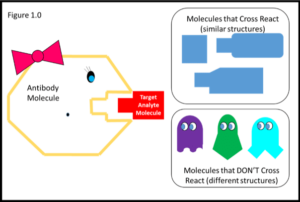
People working to overcome a substance use disorder (SUD) face many challenges along the path to recovery such as physical ailments, withdrawal symptoms, cravings, and relationship mending.
Read MoreTracking Data-Driven Outcomes in the Justice System
Tracking Data-Drive Outcomes in the Criminal Justice System Richmond, VA. – Tracking the criminal justice system, and government transparency in general, is something the United States has grappled with for years. Data transparency, especially in the digital age, is crucial to understanding the work that the criminal justice system does.
Read More